
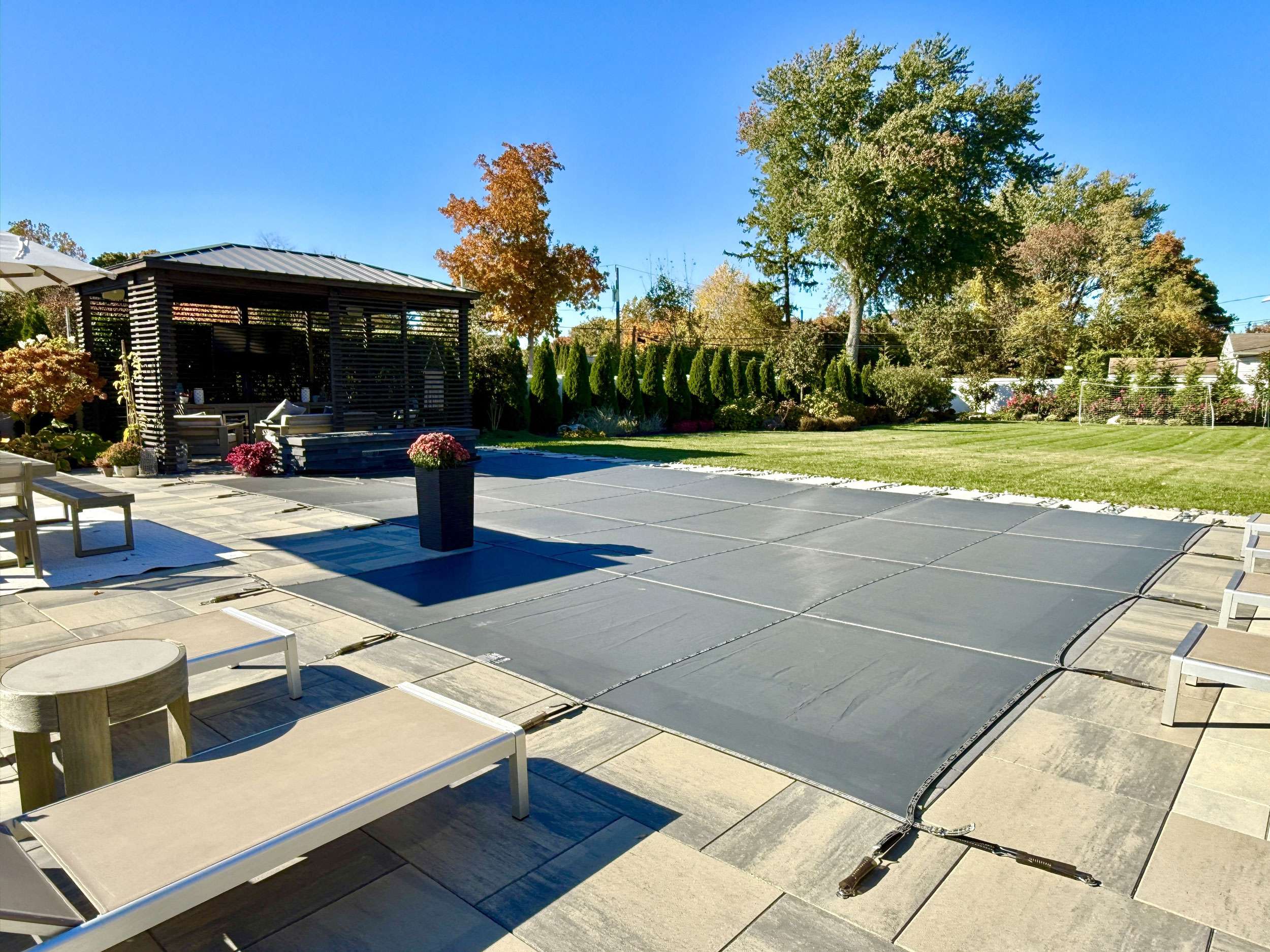
How to close a pool the right way is simpler than it looks, but the timing and small details make all the difference. Closing a pool is one of those jobs that’s easy to put off until the weather forces your hand.
But how you close a pool for winter has a direct effect on what you’re dealing with come spring. Skip a step or close too late, and you can end up with cracked plumbing, stained plaster, or a green mess waiting under the cover.
Do it right, and your pool comes back online in a few hours instead of a few days.
Here’s how to close a swimming pool the right way, whether you have an inground pool or an above ground pool, plus when to start the process if you’re in Southeast Missouri or Southern Illinois.
Timing matters as much as knowing how to close a pool step by step. Close too early and you lose weeks of swim season for no reason. Close too late and you risk closing in freezing temperatures, which makes draining lines and handling equipment far more difficult.
In our part of Missouri and Illinois, nighttime temperatures typically start dipping into the 40s by mid to late October. The average first frost date for Cape Girardeau lands around October 21, with a hard freeze usually following a few weeks later in early to mid-November.
A good rule of thumb: start your closing process once water temperature drops below 65 degrees and stays there. That’s usually when algae growth slows down enough that the chemicals you add will actually last through winter instead of getting used up in a week.
If you’d rather not track the forecast, Farmer’s Pool & Spa handles pool closings for customers throughout Cape Girardeau, Jackson, Perryville, and Southern Illinois every fall. Booking early means your pool gets closed on your schedule, not whenever a slot opens up after the first freeze warning hits.
Whether you’re learning how to close a pool for the first time or you’ve done it every year, gather everything before you start so you’re not running back to the store halfway through:
Test your water first. A pool that’s balanced before closing stays clearer through winter than one that’s closed with chemistry already off. If you want the spring side of this process too, our Pool Maintenance Made Easy guide covers opening your pool and keeping it clear all season.
There’s more than one way to think about how to close a pool, but if yours is an inground pool, the process comes down to five stages: balance, clean, lower, drain, and cover.
Vinyl liner pools benefit most from a careful closing, since ice damage is one of the top reasons liners need early replacement. Our Vinyl Pool Liner Replacement guide covers the warning signs and what replacement costs if you ever need it.
Closing an above ground pool follows the same basic logic with a few differences in equipment. Here’s how to close an above ground swimming pool for winter:
Above ground pools are more exposed to wind than inground pools, so a cover that isn’t secured well is one of the most common reasons owners end up with a pool full of leaves by February.
The right pool winterizing chemicals are what keep your water from turning into a swamp over the next five or six months. A basic pool closing chemical kit usually includes:
Skipping winterizing pool chemicals to save a few dollars is one of the most common closing mistakes we see. It almost always costs more in the spring, once you’re dealing with a green pool, replacing a stained liner, or running extra chemicals just to get the water swimmable again.
If you’re not sure what your pool needs, our Swimming Pool Chemicals 101 guide breaks down what each one actually does.
Whatever you use, store leftover chemicals the right way over winter. The CDC’s guidance on pool chemical storage covers keeping products cool, sealed, and separated so they stay safe and effective next season.
If closing early feels like giving up on summer too soon, a pool heater is worth considering before next season. A heater lets you push swimming further into September and October, and start earlier in the spring.
A heater doesn’t change how to close a pool for winter, but it does change how much of the season you get to enjoy first. It’s one of the simplest upgrades for getting more use out of a pool you already own. Take a look at our pool heaters if you want to stretch next year’s swim season on both ends.
Knowing how to close a pool correctly is one of the most important pool maintenance skills a pool owner can have, and it takes a level of detail that’s easy to get wrong on a first attempt.
If you’d rather hand it off, Farmer’s Pool & Spa offers professional pool closings throughout Southeast Missouri and Southern Illinois, from Ste. Genevieve and Farmington down through Cape Girardeau to Charleston, Dexter, and Bloomfield. We balance the water, clear and plug the lines, add the right chemicals for your pool, and get your cover secured before the first freeze hits.
Schedule your pool closing with us before the fall rush fills up our slots.
Quick answers to the most common questions about how to close a pool.
Balance the water, clean the pool, lower the water level below the skimmer, drain and plug the equipment lines, add winterizing chemicals, and secure a winter cover. The exact steps vary slightly between inground and above ground pools.
Most pool owners in Cape Girardeau and the surrounding area close their pools between mid-October and early November, once water temperatures drop below 65 degrees and stay there. Closing before the first hard freeze makes the process easier and safer.
Yes. Winterizing chemicals, including algaecide, chlorine-free shock, and a stain and scale preventer, are formulated to protect your water for several months without maintenance. Regular summer chemicals aren’t designed to last that long.
Either works, but a professional closing reduces the risk of frozen or cracked equipment and gives you a pool that’s easier to open in spring. If you’re closing your own pool for the first time, following each step carefully matters more than doing it quickly.
As a family-owned and operated company, Farmer’s Pool & Spa embraces traditional values and we place our customers first.
